2025: The Underpainting
A year of structure, clarity, and decisions that don’t disappear

The Underpainting
If you haven’t heard me say it before, I grew up in the house of a painter. Often times, I would sit in my father’s home office/studio and watch him paint. My father’s paintings were always very lively and vibrant so it often times confused me to see the first color he chose be brown or even gray.
After watching these paintings come to life over the years, I was able to realize that an underpainting escapes visibility just as quickly as it arrived. It’s the first layer. Rough. Incomplete.
Its job isn’t beauty. It’s job is structure.
It establishes contrast, direction, and weight before the critical decisions begin.
That’s what 2025 feels like for Ideate.
Not a finished picture. Not even close.
But a year where the underlying forms are finally being set.
While it is easy to get caught envisioning the final canvas, you miss the discipline of the early layers and therefore, the decisions that quietly determine everything that comes after. Where tension will live. Where movement is possible. What gets emphasized, and what gets restrained.
From Individuals to a Team


For a long time, Ideate existed more as a point of view than an organization.
A way of thinking about systems.
A set of questions about how design work actually functions on a daily basis.
In 2025, that began to change.
We added the right people to move faster, but to also challenge my assumptions. New team members didn’t just add capacity; they added unique experience and perspective.
Different experiences of design organizations. Different intuitions about what is good friction and what is bad friction.
The shift from “I” to “we” is subtle, but foundational. Innovation doesn’t emerge from solo thinking. It emerges from tension, debate, and shared reasoning.
This year was about building that internal architecture.
Community as Infrastructure, Not Audience
At the same time, something else started to take shape.
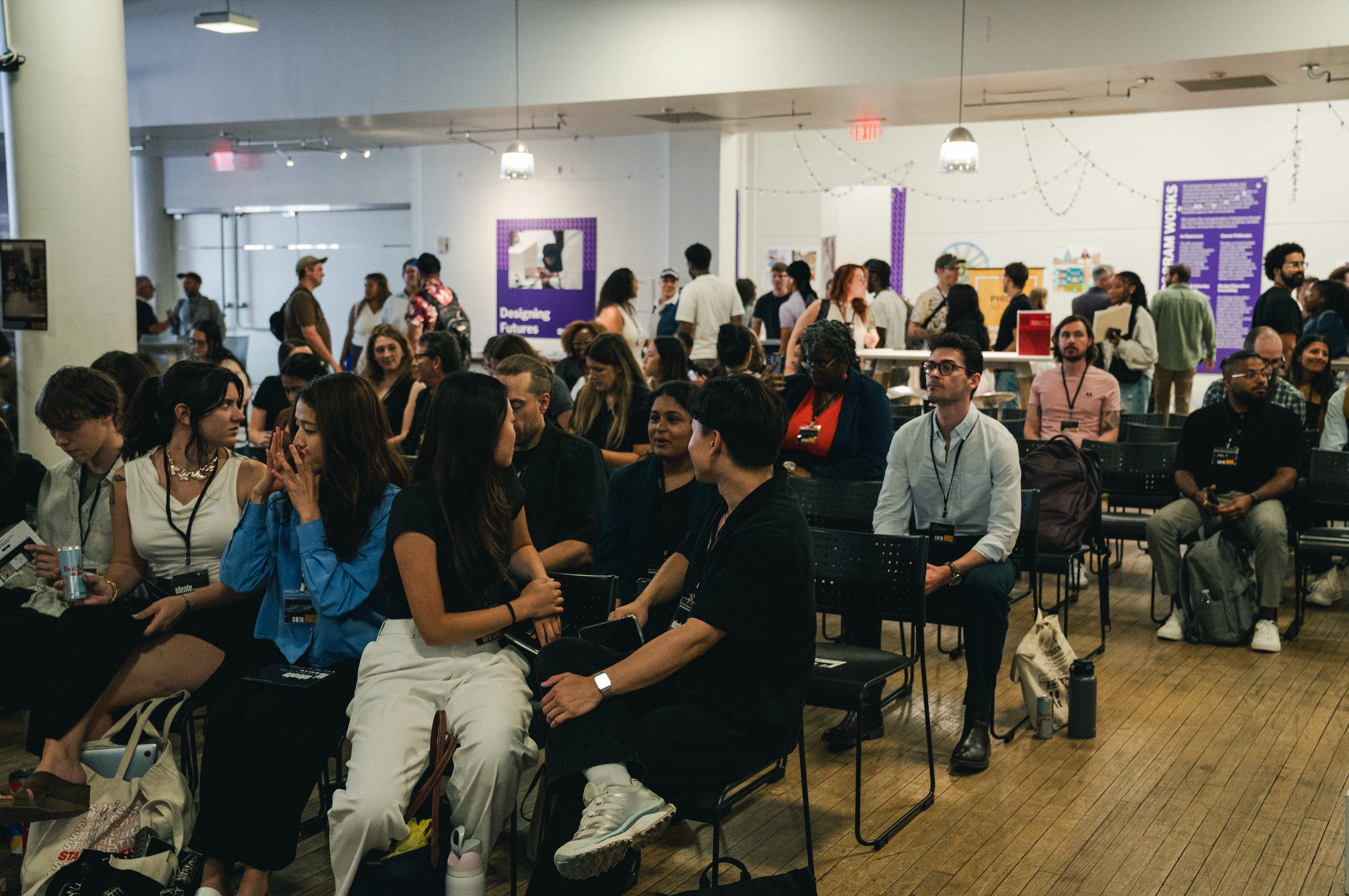
A community—not as a following, but as a shared inquiry.
Designers, leaders, researchers, and operators began engaging not because we had answers, but because we were willing to slow down and frame better questions. About feedback. About alignment. About the cost of operational noise. About what happens when design needs to scale faster than the systems that support it.
Community, when done authentically, isn’t a marketing channel.
It’s a sensing mechanism.
It tells you where the pressure points are.
What people are struggling to articulate.
Which problems are persistent, not just a trending topic.
In 2025, we emphasized the origins of great design and let listening dictate our actions.
Launching Something Real
Underpaintings eventually demand commitment.
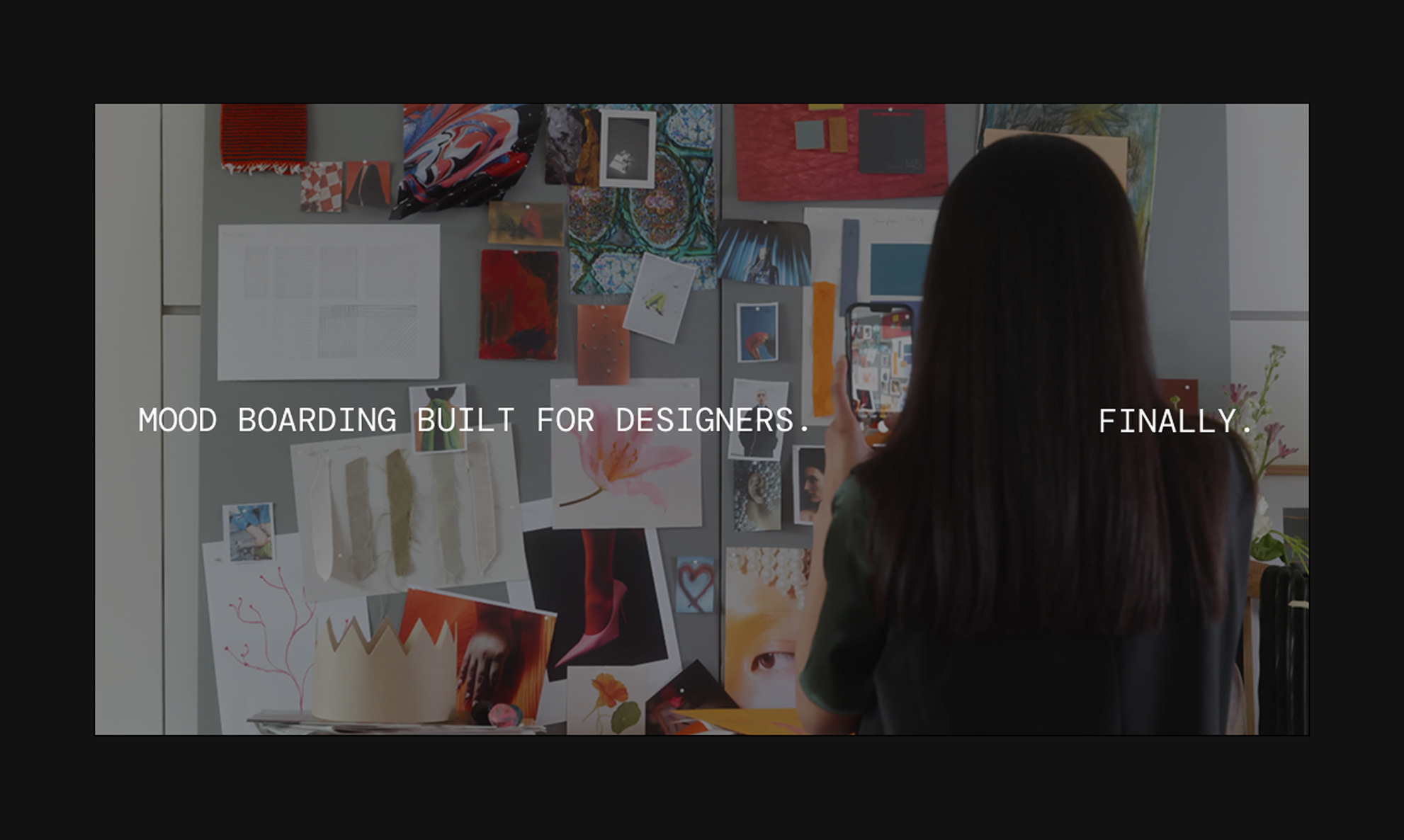
This year, Ideate moved from theory into deployment with the launch of our first offering. An initial expression of our belief that technology can help design be more human.
Launching wasn’t the milestone.
Clarifying what we were willing to stand behind was.
The product forced decisions.
About scope. About responsibility. About capacity.
About what we believe systems should do and what they should stay out of.
It made the abstract tangible. And in doing so, it exposed gaps we’re now better equipped to address.
Clarifying What We’re Actually Here to Do
Every early company’s initial job is to simply challenge assumptions and ask questions.
In 2025, it became time for the less glamorous work of clarification.
We refined our value proposition to make it more precise. Ideate exists to unlock the human potential of design.
To help designers expand cognitive bandwidth.
To engineer the systems that translate innovation into measurable output
This wasn’t about finding better words. It was about aligning our language with our intent.
What Comes Next
An underpainting isn’t just preparation. It’s a constraint.
Once the structure is set, growth becomes possible without losing coherence. You can add complexity because the foundation is built to hold it.
That’s where Ideate enters its next phase.
The patterns we surfaced this year—how concepts gets miscommunicated, where alignment erodes, why creative energy gets consumed by operational noise—aren’t abstract observations. They’re very tangible problems. Repeated. Measurable. Costly.
Now, they become inputs.
We’re using what we’ve learned from practitioners, research, and early product deployment to expand our systems in deliberate ways. Not by adding more surface area, but by deepening the infrastructure underneath design work. Clarifying intent earlier. Reducing unnecessary friction where it compounds. Making good decisions easier to repeat across teams, timelines, and organizations.
Growth, for us, doesn’t mean scale for its own sake. It means reach without dilution.
More designers supported without flattening nuance.
More organizations aligned without enforcing rigidity.
More output without exhausting the people producing it.
The next layer of work will be visible. Products will mature. New systems will emerge. The community will become more participatory, more generative.
But what matters most is that the solutions we build remain anchored to reality—to how design actually happens, not how we were taught it did.
The underpainting has done its job.
Now the work is to build on it carefully, and at scale.